RESPONSE
H2020 European Project: France's first positive energy district

H2020 European Project: France's first positive energy district

Dijon Metropolis

Active since 2021

3 school groups

600 housing units in 5 residential buildings

30,000 m² of renovated buildings
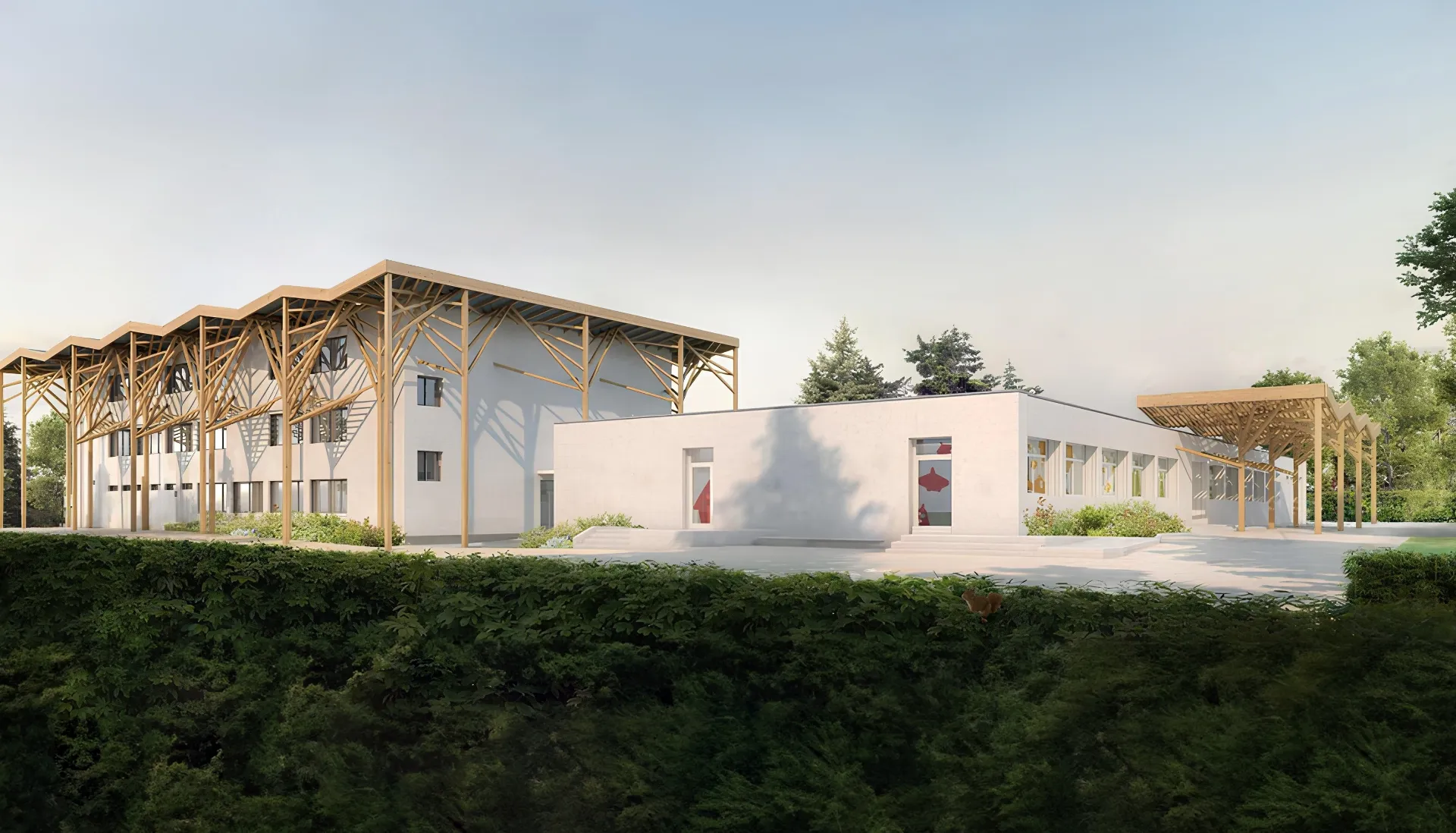
The H2020 Response project is a European project whose objective is to finance pilot metropolises and cities so they develop and experiment with a more ecological, energy-efficient and environmentally friendly Smart City model.
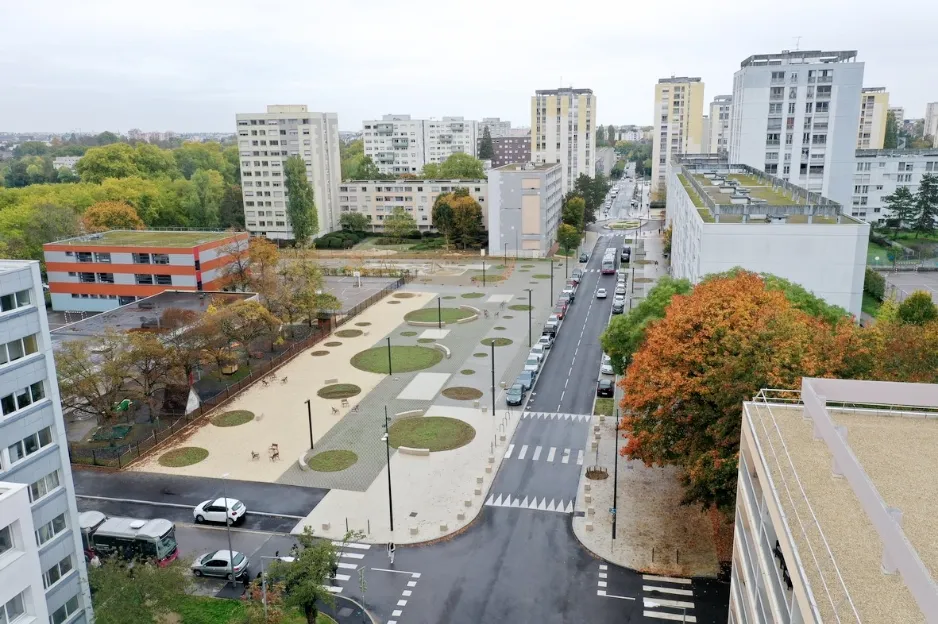
At the forefront of the Response project, the Dijon metropolis is working towards carbon neutrality at the European level. As part of this ambitious project, Dijon Métropole is leading the energy renovation of the Fontaine d'Ouche neighborhood, with the goal of energy autonomy through France's largest collective self-consumption operation.
Where EDF was chosen to provide a global energy management solution, Alyseo was chosen in this project to provide a solution at the building scale.
 © Property of Dijon Métropole



























greenhouse gas emissions
energy consumption through thermal renovation
heating consumption in smart buildings
consumption for public lighting
housing units and municipal buildings powered by solar panels
of energy consumed by the 2 building blocks produced locally


Reduce energy consumption and GHG emissions from buildings in the blocks while improving residents' comfort


Develop renewable energy production and limit the use of fossil fuels (fuel and gas)


Make citizens active participants in the energy system, particularly through resident mobilization via a collective self-consumption project


Develop low-carbon mobility and build smart electric mobility
 © Property of Dijon Métropole
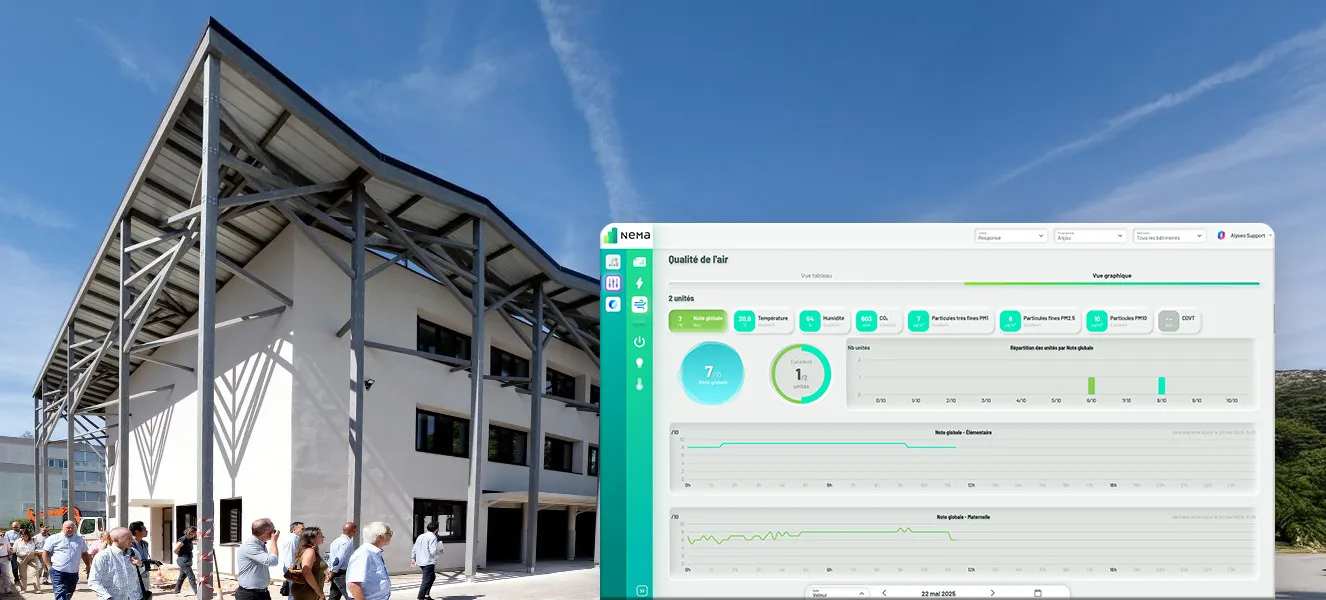
With RESPONSE, buildings are energy-efficient and offer additional comfort services to occupants. For example, to achieve optimal air quality while reducing energy consumption, the ventilation system, windows and radiators are controlled based on temperature measured by Nanosense air quality sensors. The

 , Alyseo's Building Operating System, handles sensor data collection and processing as well as thermostat and air quality analysis functions.
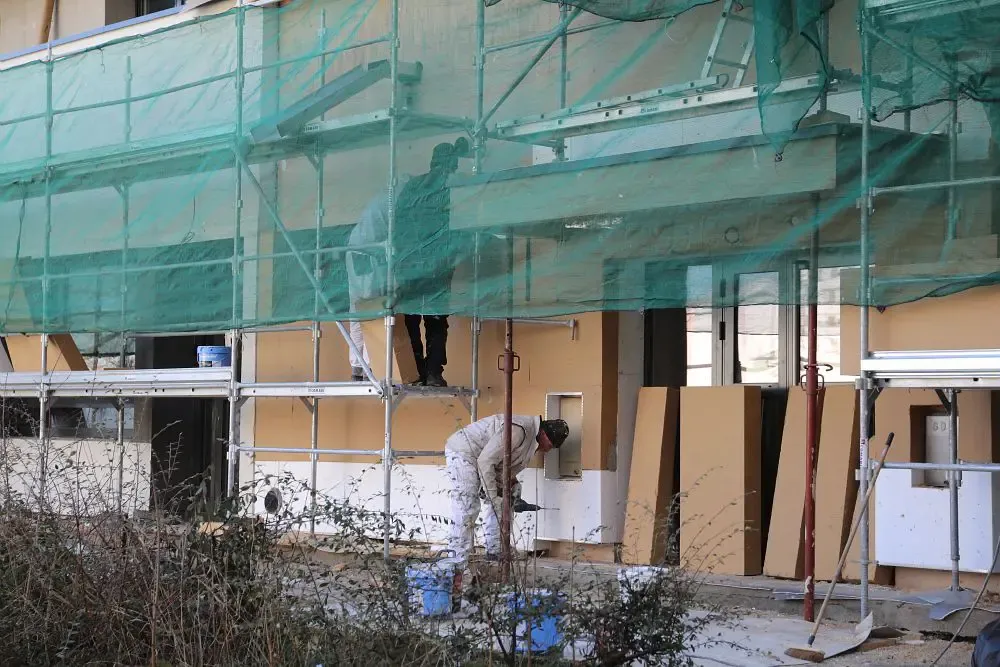
Buildings in the positive energy blocks are renovated to reduce their energy consumption by 38%. The efforts focus on thermal insulation and strengthening the building envelope:
 © Property of Dijon Métropole
 © Property of Dijon Métropole
Solar production in the Fontaine d'Ouche district is consumed directly by residents as part of a collective self-consumption operation. Residents' electricity consumption is higher in the morning and evening, but solar production occurs during the day. Battery storage is used to store excess production during the day to return it to residents during peak consumption.


storing excess photovoltaic solar production during the day to return it during peak consumption.
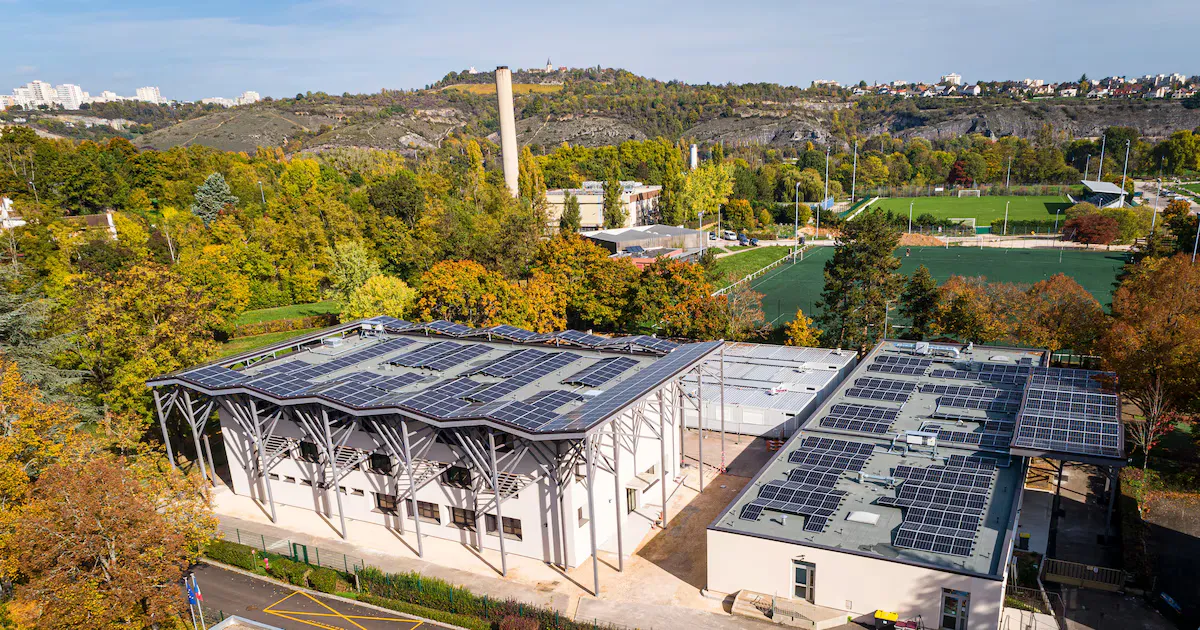
equipped with the most powerful solar panels on the market to increase available surface, provide additional shade and transform schools into production plants.

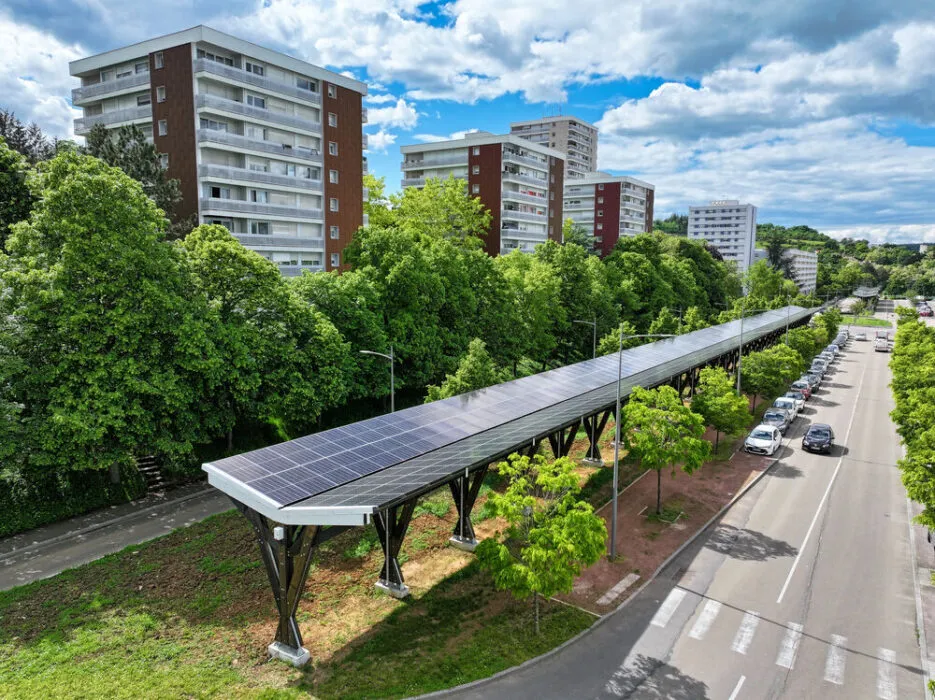
on city parking lots, providing shade for vehicles, producing solar energy and multiplying charging stations for electric vehicles.

for hot water produced by solar thermal panels to limit the use of gas during high power demands.

used in the district heating network, currently powered by wood burned at the Valendons biomass plant and gas burned at the Fontaine d'Ouche district plant. For example, recovering heat released by waste combustion at the household waste incinerator, increasing the share of biomass in the energy mix, or using green gas produced by the sludge and wastewater methanization plant.

capable of capturing indirect light to increase energy yield by up to 25% compared to a monofacial module.


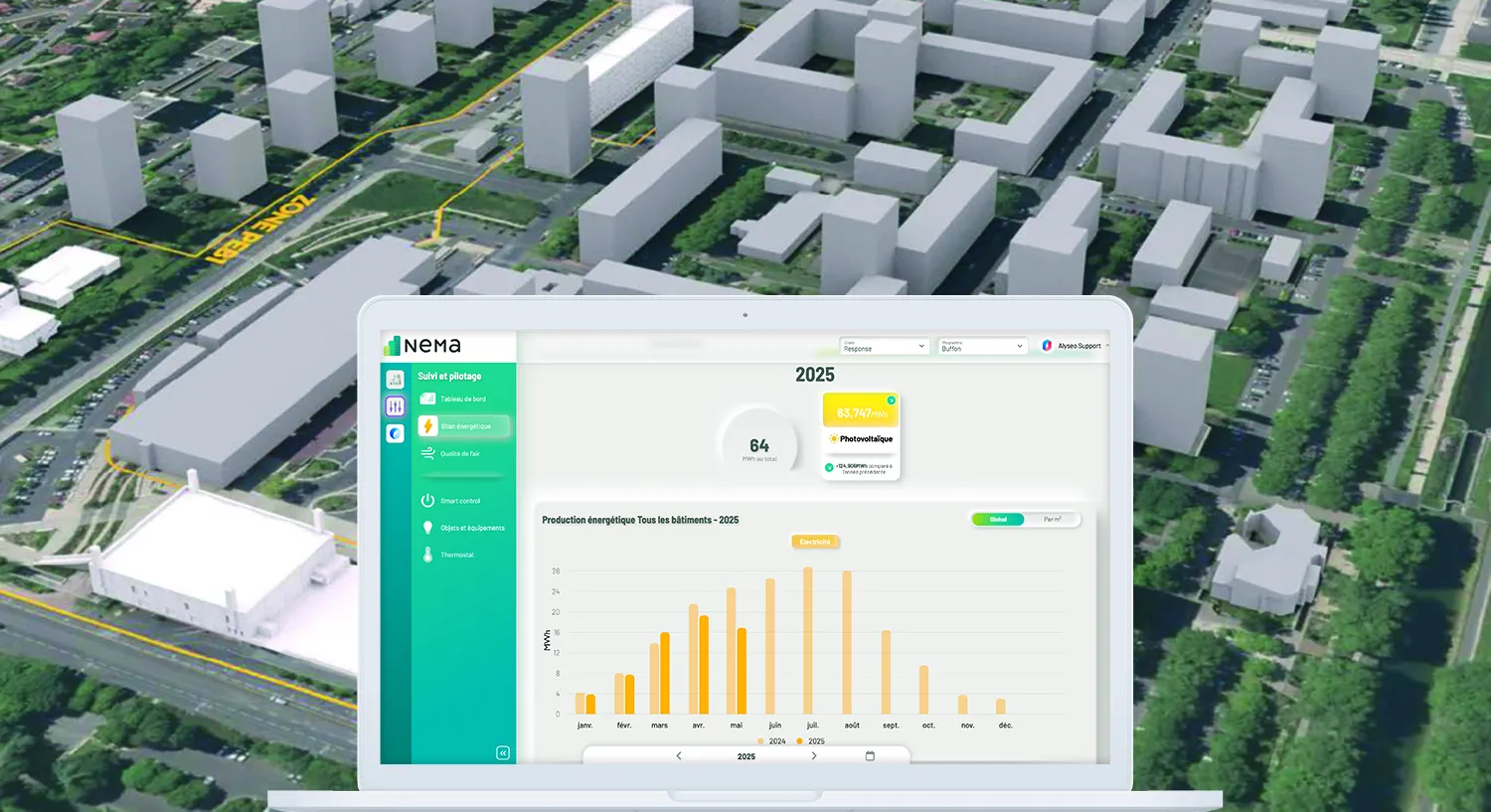
enabling visualization of electricity, gas, and district heating consumption as well as air quality, temperature, and CO2 emissions from the building and transport sectors.
as a temporary storage solution.
 © Property of Dijon Métropole
As a data aggregator, the WireBOS and our services platform enables measuring the balance between energy production (photovoltaic, solar thermal...) and consumption at building scale, based on real data rather than estimates.
The goal is to finely analyze the evolution of this energy balance and its alignment with GHG emission reduction targets, but also to better manage energy costs through intelligent building control. Sub-metering by location and usage (heating, cooling, ventilation, lighting, domestic hot water...) helps identify where investments and renovation should be focused, as well as energy sobriety awareness campaigns.
3 schools in the city, Anjou, Buffon and Colette, were renovated and equipped with
, for indoor air quality monitoring, HVAC control, thermostat management, and energy consumption tracking.
The goal? Automate heating control based on temperature and presence of students and teachers to reduce energy consumption by 15%, but also monitor temperature, quality and renewal of indoor air in schools hosting children aged 3 to 11.
 © Property of Dijon Métropole